You can check your brand without a ChatGPT visibility tracker by asking 10 to 20 unbranded buying questions under recorded conditions. Test each question with web search off and on, repeat it three times, and save recommendations, positions and cited sources in a spreadsheet so you can compare later results.
Start without a ChatGPT visibility tracker
A paid tracker earns its cost when you need daily trend lines for ChatGPT, Gemini, Perplexity and other engines. Before that, most stores need a simpler answer: does the assistant recommend us for the questions our buyers ask, and if not, who does it pick instead? A manual check answers that directly, and it forces you to read full answers, which shows things a parsed count hides, such as caveats about your product or a rival you did not know you had.
We call the result a manual baseline: a fixed set of questions, asked under recorded conditions, with positions written down so you can repeat the same check after a fix. The baseline is small and has limits, covered below, and it is still enough to tell whether you have a visibility problem and roughly where it sits, which is what a store needs before deciding whether to spend on tooling.
Pick the questions buyers ask
Start with the buyer. Use questions a buyer would type before they have chosen a brand. These are unbranded and specific: “best infrared sauna for a small apartment”, “magnesium glycinate without fillers”, “cast iron pan that works on induction”. Pull them from your site search logs, your customer service inbox, the “People also ask” boxes in Google, and the questions your sales team hears most, and aim for 10 to 20 questions in the categories that carry most of your revenue.
Keep a separate, short list of branded questions (“what does Brand X sell?”, “is Brand X good for beginners?”). These test whether the model knows you, which Metrisque calls recall, and they never belong in the unbranded count. A brand that is well known and rarely chosen has a different problem from a brand the model has never heard of. Keep both sets of results, because knowing a brand exists does not establish that the assistant will recommend it to buyers.
Wording matters more than most people expect, so write each question the way a buyer would phrase it and freeze that wording for every later run. “Best sauna for a small apartment” and “compact home sauna recommendations” are close in meaning, yet they can return different brands in a different order. If you want to test wording itself, add the second phrasing as its own row instead of swapping it in, so the baseline stays comparable month after month.
Run the questions under fixed conditions
Conditions change answers. Write them down and keep them the same each time you repeat the questions. The method that works for most stores runs as follows.
- Open a fresh chat for each question, signed out or with memory and custom instructions turned off, so your history does not steer the answer.
- Ask each question once with web search off, to observe its answer without a requested web search.
- Ask the same question with web search on, and save any sources shown with the answer.
- Record whether your product appears, its position in the list, any caveat attached to it and the sources linked under the answer.
- Repeat the whole set three times, on different days if you can, and note the date, model and mode for every row.
Treat saved personal memory and web search as separate settings: turning search off does not isolate a model’s training data. Record the model label and available controls exactly as shown, because interfaces and account options can differ between checks.
If you sell to buyers who also use other assistants, run the same set there. The spreadsheet grows quickly, so start with ChatGPT and add other models once the method works.
| Date | Model | Mode | Question | Run | Our position | First-place brand | Caveat about us | Sources shown |
|---|---|---|---|---|---|---|---|---|
| [date] | ChatGPT | Memory | best compact sauna for an apartment | 1 | [position or “absent”] | [brand] | [text or “none”] | [n/a in memory mode] |
| [date] | ChatGPT | Web search | best compact sauna for an apartment | 1 | [position or “absent”] | [brand] | [text or “none”] | [URLs] |
| [date] | ChatGPT | Memory | best compact sauna for an apartment | 2 |
Table 1. The “First-place brand” column matters as much as your own position, because over three runs it shows which rival the model prefers and whether that preference holds or rotates.
Compare like with like before drawing conclusions
Keep the modes separate. Combining search-off and search-on results can hide a useful difference between the conditions you tested. For each mode, group answers by whether you appeared first, appeared lower in an ordered list, or were absent.
Do not rank an unordered mention. Distinguish a recommendation from a passing reference when you record what the answer says about your brand. An answer that names your brand while warning against it should not count as a successful recommendation in your sheet.
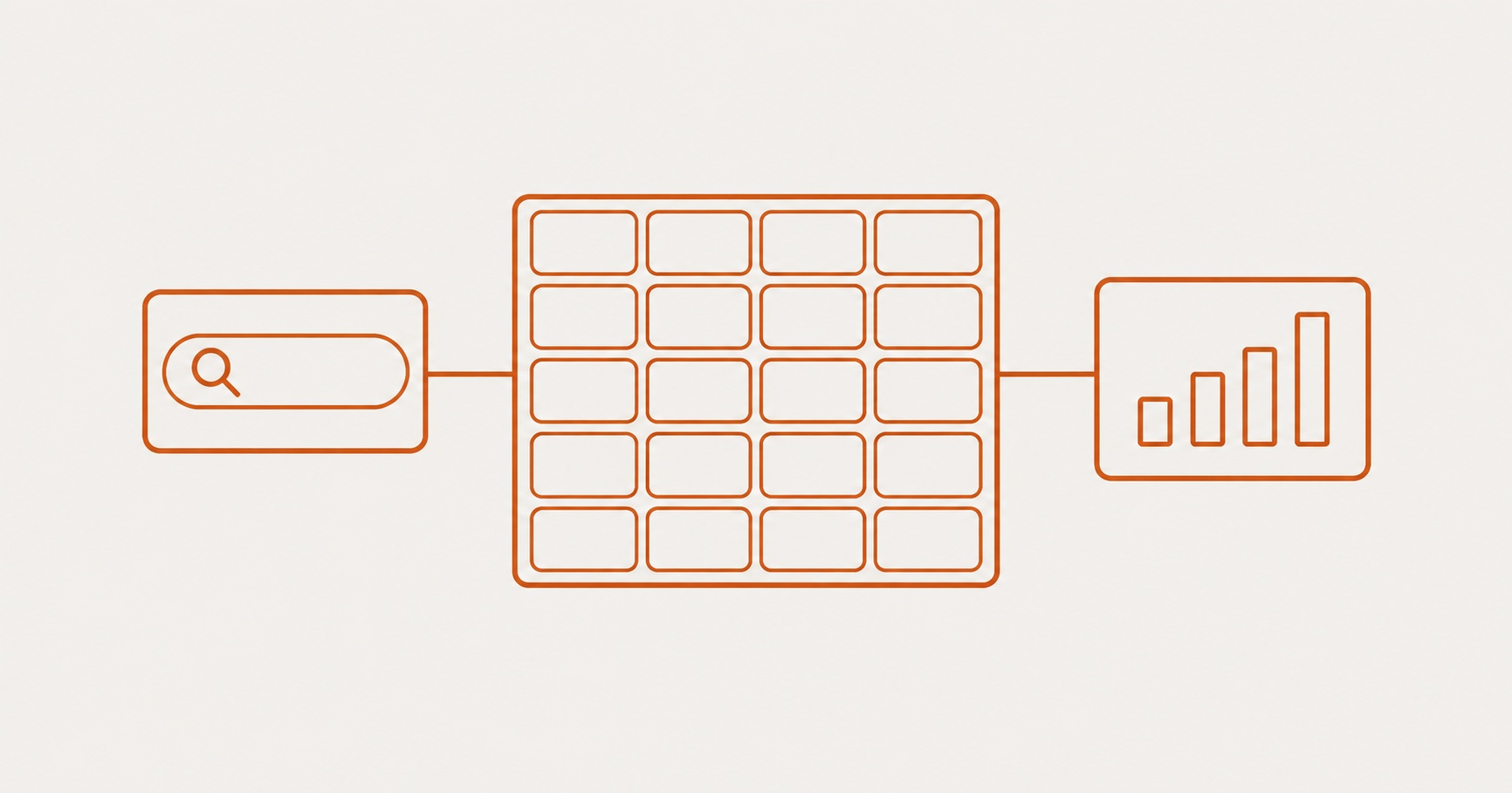
The figure describes a recording method rather than measured performance, so it makes no claim about which mode performs better. Metrisque has not measured the first-place, lower-position or absent totals for this example in either mode.
If search-on answers recommend you more often, inspect their citations before choosing a page to change or a publication to contact. That difference is a lead for investigation; it does not establish that your pages work well or that wider coverage is the cause.
Sources explain the positions
Start with the cited pages. They give you material to inspect alongside the recommendation, although citations do not reveal every influence on the answer. Read the cited material and check whether it supports the specific claim attached to your product or a rival.
If comparison pages name rivals and omit you, investigate whether your product actually meets their selection criteria before seeking inclusion. A missing mention could reflect suitability, availability or editorial choices; your spreadsheet cannot tell those explanations apart by itself, even if you repeat the question and see the same publications cited every time you ask.
If ChatGPT cites your product page yet recommends another option, compare the stated buyer requirements with what your page actually says. Check whether size, compatibility, ingredients or use restrictions are explicit enough for a reader to decide whether the product fits. Our guide to what AI assistants read on a product page gives you a way to inspect those details.
Choose a change that addresses an observable mismatch, then note what changed and when alongside the saved baseline before testing again, so a colleague can reconstruct the comparison without relying on your recollection of the original answers. Changing descriptions, buying questions and recording rules together makes it harder to explain any difference you see in later answers.
Limits of a manual check
Sample size is the first limit of a manual baseline. Twenty questions asked three times in two modes gives 120 answers, which is enough to spot a pattern and too few to measure small changes. If your position moves up to fifth on two questions where you were absent, treat that as a hint and re-run before celebrating.
Drift adds a second limit, and it never stops. Models sample their answers, so the same question can return a different list a minute later, and web search results change as sites publish. Model updates can shift a whole category overnight. Repeating each question three times shows the spread. A result outside that spread deserves another check, although this small sample cannot establish that your edit caused the change. Our guide to measuring AI search visibility explains how recall, recommendation, citation and placement each drift and how to read them together.
A manual sheet has diagnostic limits. It can expose an incorrect description or an unsupported claim in the answer, giving you a concrete issue to investigate while leaving unanswered the question of how the model represents your product internally and which influences produced that particular response. It cannot prove that a particular page edit will fix a missing recommendation, even when the answer cites that page and the omission seems consistent with the product information you have already decided to rewrite.
Save the full response too. Its wording may explain a later discrepancy that the position alone would leave you unable to investigate. Check what actually improved. An apparent gain might come from a changed product requirement, a different interpretation of the question or an answer that listed brands without recommending them, all of which can affect the meaning of a position change when you compare it with the saved baseline.
The spreadsheet’s natural end
Run the manual baseline once before any change, then again after each change has been live long enough for the page to be recrawled. If the sheet shows you are rarely chosen and you cannot see why from the sources, a diagnosis tool will save time, because it checks the causes (name, category, page answers, description and sources) in order and re-measures after each fix. If the sheet shows you are chosen often and you mainly need to keep watching more engines than you can check by hand, a tracker is the better next step.
Keep the original sheet. A dated baseline lets you compare later results without relying on memory.
How do I check if ChatGPT recommends my brand?
Ask ChatGPT unbranded buying questions from your category, record whether it recommends your brand, and repeat under the same documented conditions. Keep branded recall questions separate. A correct description of your business should never inflate the recommendation count you report to colleagues.
For each apparent recommendation, read the surrounding wording to confirm that the answer actually presents your product as a suitable choice. A cited page, a brand mention and a first-place recommendation describe different outcomes, so record them separately rather than calling all of them visibility wins. Our explanation of brand mentions versus recommendations covers that distinction when you need a consistent recording rule.
Daily monitoring can wait. You can learn from this first baseline provided you keep its scope clear when sharing results, state which questions, dates and settings you tested, and avoid presenting the sheet as a measure of every answer buyers might receive. If a colleague repeats the exercise and gets different answers, preserve both sets rather than replacing the original evidence with the more encouraging result.
Start with a free Metrisque check to identify issues you can investigate alongside your manual ChatGPT visibility baseline.