AI search visibility metrics KPIs measure whether an assistant knows your brand, recommends your product, cites your pages and places your product in the expected category. Track recall, recommendation, citation and placement separately, using the same buying questions and recording memory and web search results separately so changes remain comparable.
A single visibility score misleads a store
Share of voice measures the percentage of answers to a set of prompts that mention your brand name. That number is useful for watching a trend on ChatGPT, Gemini and Perplexity, and it becomes misleading once a marketing lead tries to act on it, because a mention can come from four different situations that need four different fixes.
Take one store from Metrisque’s stored runs. We will not name it. The models recalled the store’s name when asked directly, so a mention-based score gave it credit, yet in 11 saved Question Finder reads on both model memory and web search it got no first-place recommendation for its own category’s buying questions. A share chart would show this store as visible. A shopper asking “what should I buy” would never hear its name first.
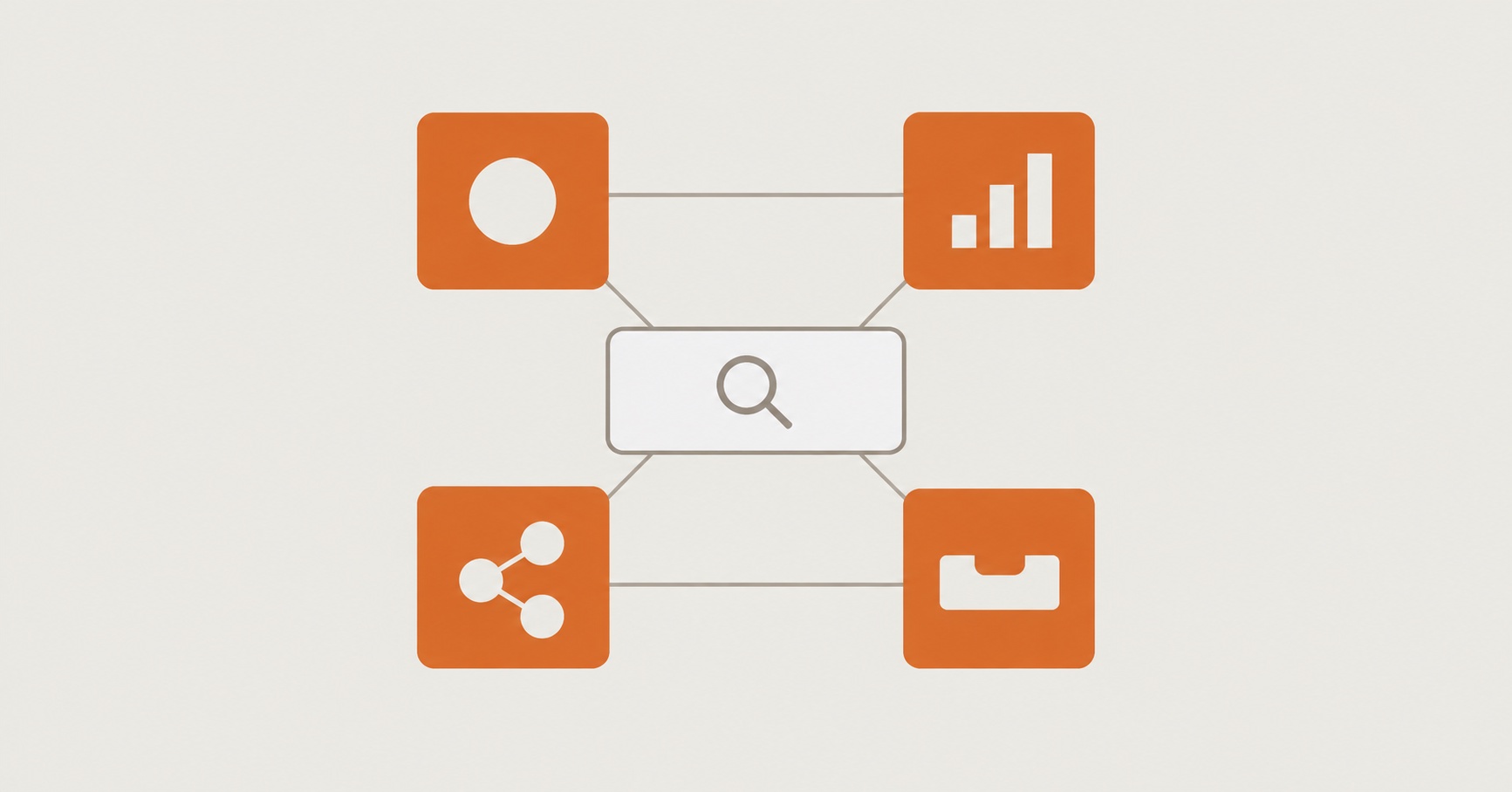
The next checks for that store sat below the brand name: in how the models filed its products, how its pages answered buyer questions, or which sources the models trusted. None of that appears in a share-of-voice line. We therefore read visibility as a profile of four measures, each with its own reading method.
Recall tests whether the model knows the name
Recall asks a narrow question. When you prompt a model with your store or brand name, does it know what you are and what you sell? Metrisque’s Brand Recall measure asks the models directly and records the answer, and the verdict covers only the exact name asked. “Acme Saunas” and “Acme” can return different verdicts, because the model may know one string and confuse the other with a different company.
A rise in recall can signal a clearer picture of your brand, though an individual result cannot explain its cause. Renames, domain changes and model updates are possible explanations to investigate when recall changes between otherwise comparable sets of prompts. Recall cannot tell you whether the model will suggest you when a shopper names a need instead of your brand, and that second case is where most buying questions sit.
Recommendation tests whether the model suggests the product
Recommendation records whether your product appears in the answer to a buying question; it does not measure revenue directly. A shopper types a buying question (“best sauna for a small apartment”, “magnesium supplement without fillers”) and the assistant names products. Metrisque’s Question Finder runs real shopper questions on the model’s memory and again with web search turned on, and records who gets recommended and in what position.
Record position alongside presence, because fourth in a list of five and first place describe different outcomes for the same question. Metrisque has not measured how those positions affect clicks or follow-up questions in this example. Memory and web search also disagree regularly, since web search pulls in fresh pages and retailer listings that the model’s training never saw, so a store should read the two modes separately. A change in recommendation tells you something shifted in how the model weighs your product against rivals for that question, and the diagnosis measures exist to find the reason.
Citation shows which pages the model uses
Citations show the model’s reading list. Citation tracking records which URLs an assistant links to or names as sources when it answers, which is possible because ChatGPT, Gemini and Perplexity often show the pages they read when web search is on. Metrisque’s Competitors and Citations view shows which rivals and which sources the assistants lean on for a given question.
Your own pages count most here. A citation to your own product page is strong evidence that the page is readable and relevant to the question. A citation to a review site or a marketplace listing that names a rival gives you another source to inspect. Citations have limits. They cannot establish where the model learned its preference or which passage influenced the answer. Citation counts cannot show what the model concluded from a source. An answer can cite a page and still recommend someone else, which is why citation sits beside recommendation in the profile instead of replacing it.
Placement shows where the model files the product
Placement asks where the model files your product against the category shoppers expect. Metrisque’s Category Fit measure compares each product with its category and marks it Outside when the Gemini similarity score falls under 0.40, and in the latest read for each of 53 stores it marked 13 of 923 products Outside. Over its full history, Metrisque has stored 302 Category Fit measures covering 10,523 product rows.
An Outside verdict flags a possible category mismatch, so inspect the product and its expected category before changing the page. Placement is the measure stores can most often fix on their own pages, through titles, descriptions and breadcrumbs, though one caution applies: in Metrisque’s synthetic tests, similarity scores did not predict what a model recommends. Treat Category Fit as a check that something is wrong, then confirm the effect with a recommendation read.
| Measure | What it answers | How Metrisque reads it | What moves it | What it misses |
|---|---|---|---|---|
| Recall | Does the model know this exact name? | Direct questions about the store or brand name, verdict scoped to that string | Consistent descriptions on the web, renames, model updates | Whether the model suggests you for an unbranded buying question |
| Recommendation | Is the product suggested, and in what position? | Shopper questions on memory and on web search, position recorded | Category filing, page answers, trusted third-party sources | Why the position is what it is |
| Citation | Which pages does the model use as sources? | Sources shown in web search answers | Readable pages, coverage on review and marketplace sites | What the model concluded from each source |
| Placement | Is the product filed in the expected category? | Similarity of each product to its category, Outside under 0.40 | Titles, descriptions, breadcrumbs, structured data | Whether a fixed filing changes the recommendation |
Table 1. Recall and citation can rise while recommendation stays flat, so a store needs at least one reading from each row before deciding what to change.
Read the visibility profile before choosing a fix
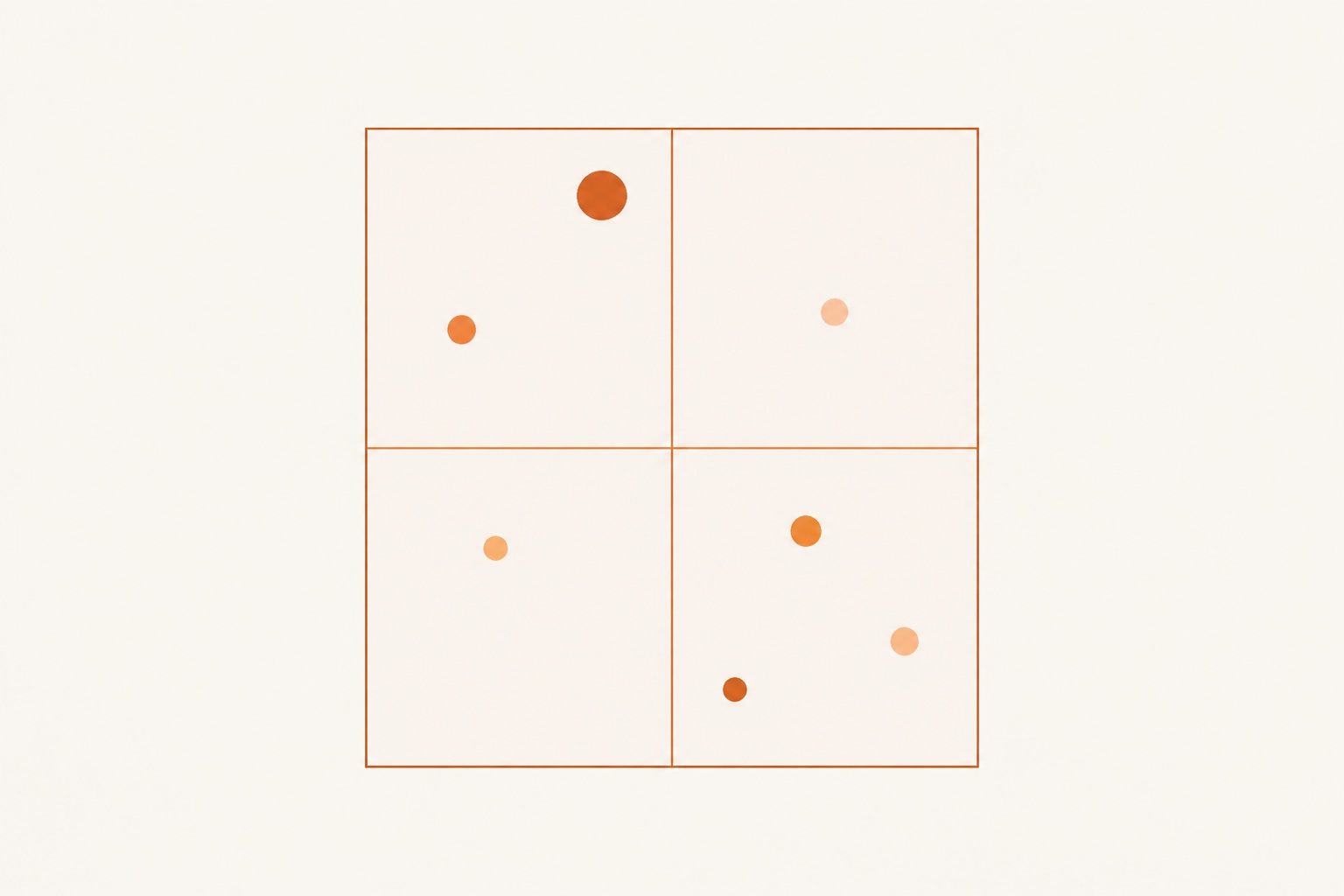
A single chart does most of the work. The most useful single chart for a store crosses recall with recommendation. Each product or brand needs a different next step depending on what the assistant recognizes and recommends, and a brand that is unknown and unrecommended needs presence before anything else. For a brand that wins recommendations without strong recall by name, inspect the cited pages before deciding what to protect. The difficult case is a brand the model recalls without recommending, which is where the store from the earlier example sits.
AI search visibility metrics KPIs to track together
A workable KPI set takes one reading from each row of Table 1, on the same list of buying questions, at a fixed interval. We suggest the first-place rate on memory and on web search as the headline figure, because it tracks what a shopper sees. Recall, citation share and the Outside count then explain movements in that headline.
Timing matters too. The interval should match how often you change things. If you rewrite product descriptions this month, read again after the pages go live and the crawlers have visited, and keep the earlier read stored as the baseline. Metrisque’s Action Plan works this way: a list of fixes, then a re-measure after each one so the before and after sit side by side in stored runs. Comparing repeated reads taken under the same conditions helps separate a possible improvement from normal variation between model answers.
That drift is large enough to matter. The same question asked twice can return a different list, because models sample their answers and web search results change by the hour. Repeating each question three or more times and reporting the spread, instead of a single answer, keeps a store from celebrating noise or panicking over it. Our post on why AI answers change between runs covers how to control for this.
Deeper posts in the measuring cluster
Each measure has a deeper post. Share of voice in AI answers explains how trackers count share and why it misses position. Brand mentions versus recommendations works through the recalled but unrecommended case in detail. How to check ChatGPT visibility without a tracker gives a manual method a store can run in an afternoon, with a recording sheet.
What are the main AI search visibility metrics?
The main AI search visibility metrics for a store are recall, recommendation, citation and placement, read together for the same questions. Recall asks whether the model knows your name, recommendation whether it suggests your product, citation whether it uses your pages as sources, and placement whether it files your product in the right category.
What is LLM visibility? LLM visibility is how often and how prominently a large language model includes a brand or product in its answers. For a store, the most useful version counts first-place recommendations for real buying questions, read on both model memory and web search.
How does AI citation tracking work? When an assistant answers with web search on, it often lists the pages it read. Citation tracking records those URLs over a question set, which shows whether the assistant uses your pages and which rival sources the model trusts.
Do brand mentions in AI answers mean the AI recommends me? No. An answer can mention a brand in a list, mention it with a caveat or name it only when asked directly. Metrisque has a stored case of a store that passed Brand Recall but got no first-place recommendation in 11 reads.
Is a ChatGPT visibility tracker enough on its own? A tracker tells you how often you appear and whether that share is changing. A store that needs to act on the number also needs a diagnosis step to find which of the four measures caused a drop.
Sources
- Metrisque stored runs: Category Fit 302 measures, 53 stores, 10,523 product rows (latest read: 13 of 923 Outside), Question Finder (one unnamed store, 11 reads), synthetic similarity tests. Read on 16 November 2026.
Run a free Metrisque check to see where your store stands across the visibility measures before choosing what to fix.