Product categorization for AI is how an assistant interprets what a product is when deciding whether it fits a shopper’s question. A mistaken category can make a relevant product harder to match, although a classification check does not measure recommendation outcomes. Metrisque has stored 302 Category Fit measures for 53 stores and 10,523 product rows. In the latest read for each store, Category Fit marked 13 of 923 products Outside their expected category.
Categorization comes before recommendation
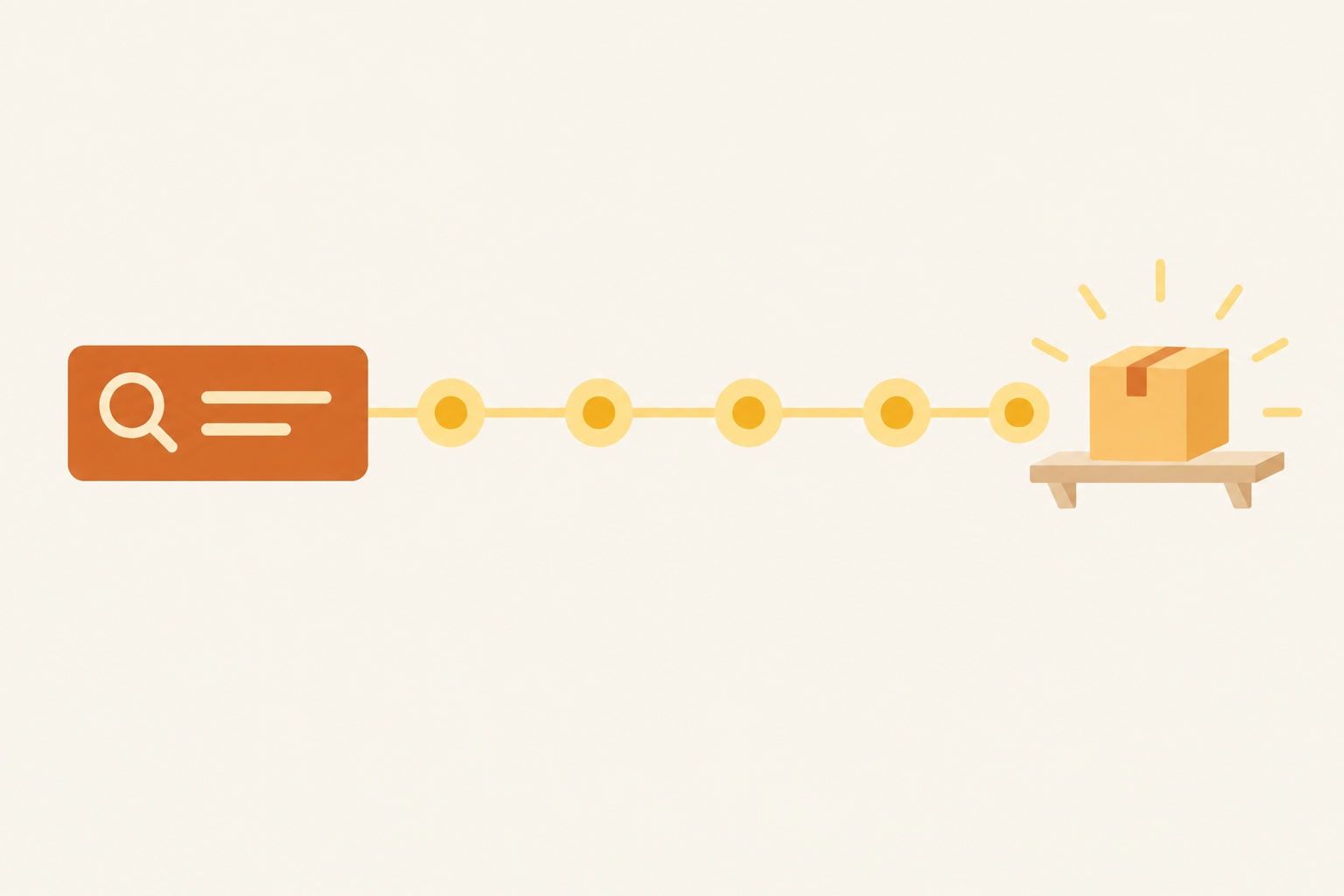
When a shopper asks “what’s the best infrared sauna blanket?”, the model first works out which products count as infrared sauna blankets, then chooses among them. That first step is categorization. It happens whether or not anyone designed it, and it happens before price, reviews, shipping speed or any of the other things a store usually works on ever get a chance to count. The model draws on everything it has read about a product (its title, description, breadcrumbs, listings and reviews) to decide what kind of thing it is.
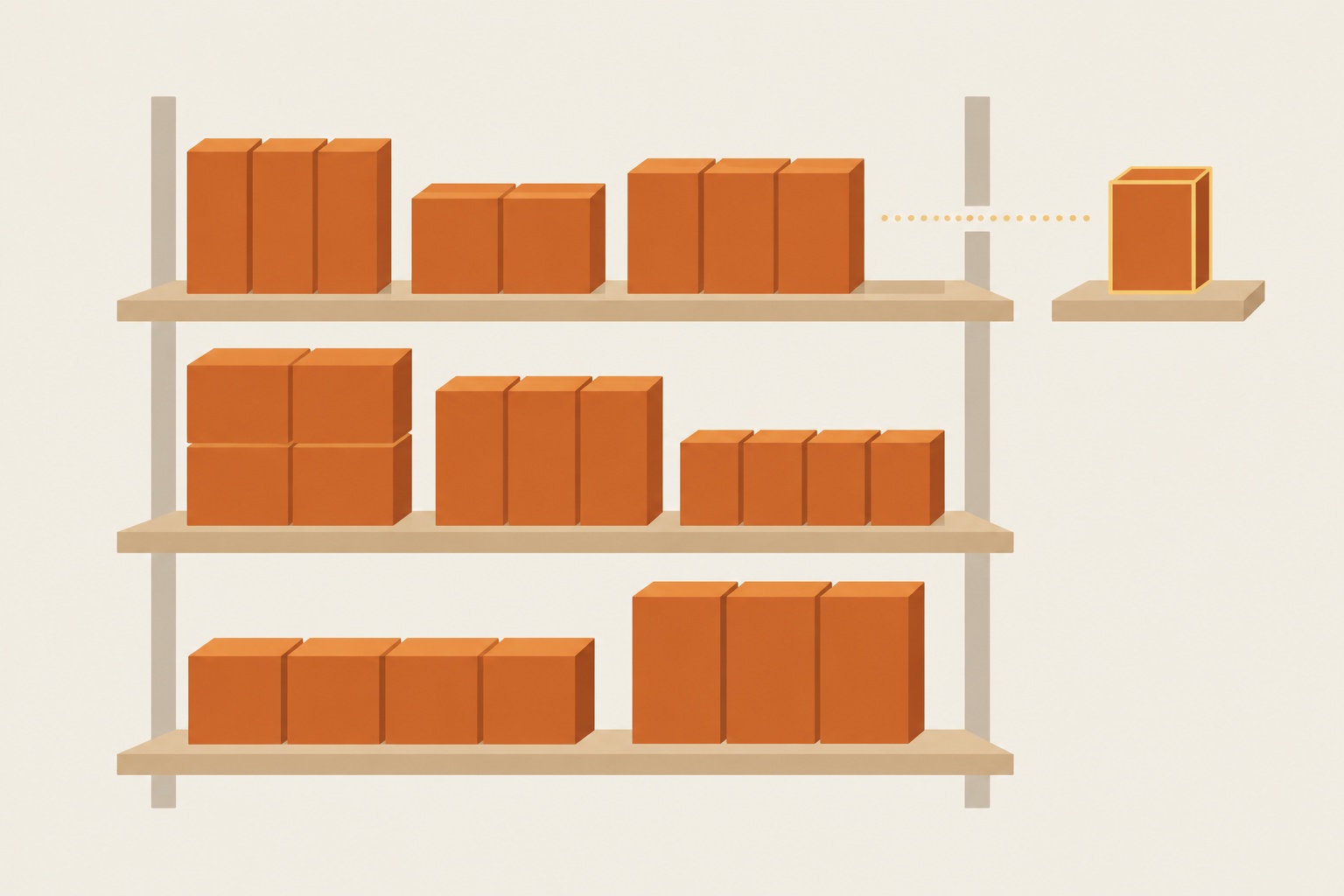
A product that lands in the wrong group drops out before the choosing starts. If the model has filed your sauna blanket as a heated throw, it will consider it for questions about cozy living-room blankets and skip it for questions about home sauna options. No amount of good reviews or strong pages helps with questions the model never connects to your product. This is why Metrisque checks placement before it looks at description quality or sources.
Category Fit and the 0.40 line
Category Fit compares each product with the category shoppers and assistants would expect it to sit in. It reads the product’s own content, compares it with the category, and records a similarity score from Gemini. Products whose similarity falls under 0.40 get an Outside mark, flagging a weak match to the expected category rather than proving which alternative category the model would choose.
Metrisque has stored 302 Category Fit measures covering 53 stores and 10,523 product rows. Taking only the latest read for each store gives 923 products, and Category Fit marked 13 of those Outside, about 1.4 percent. The share describes this sample only, and Metrisque has not measured the recommendation or revenue cost for these thirteen products.
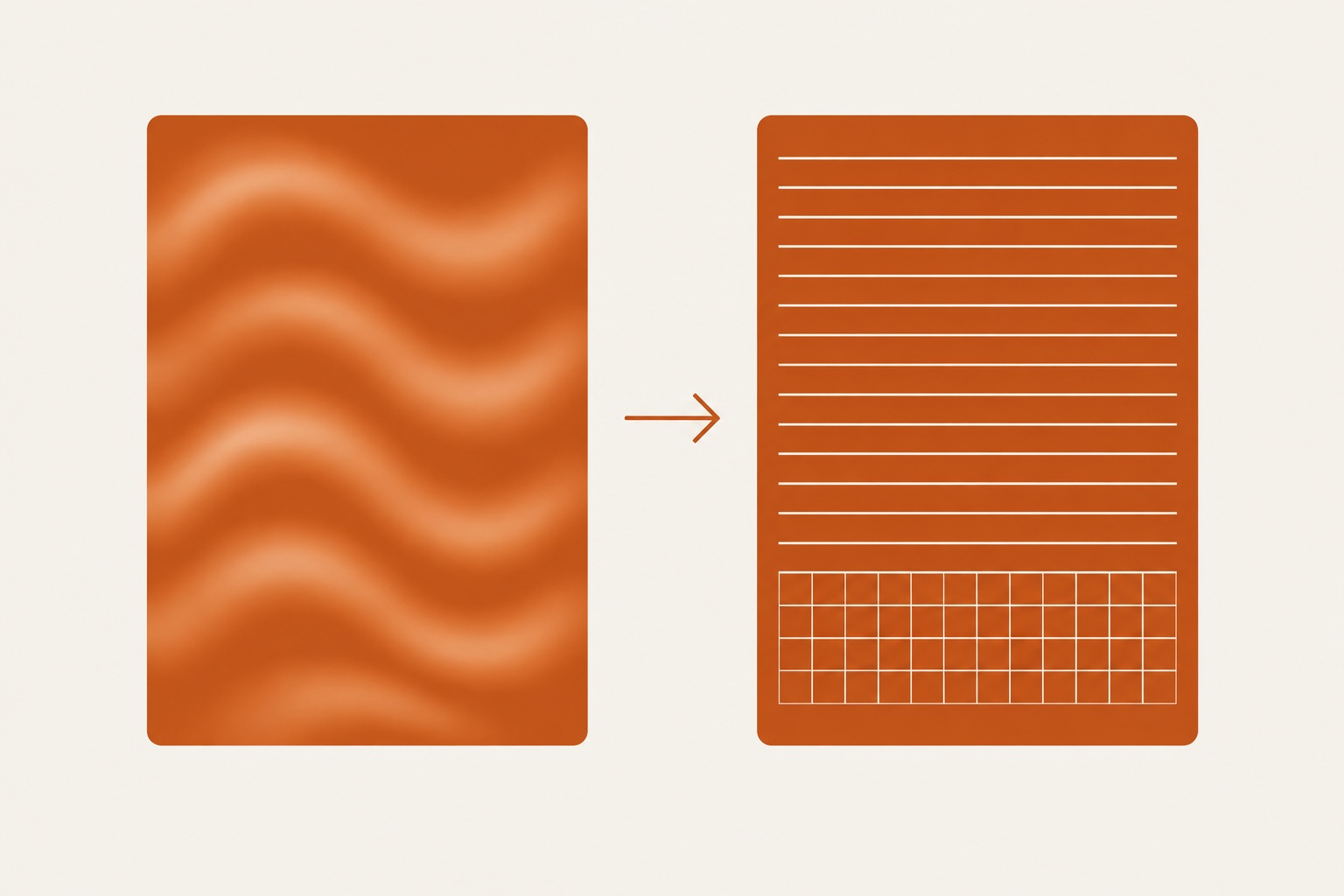
We call the condition behind an Outside mark category drift: a product whose own page reads as a different category from the one it is sold in. Drift is rarely deliberate. It usually starts with ordinary choices made by different people at different times, often months apart and for reasons that had nothing to do with search or AI: a brand-led title hides the product type, a description talks about lifestyle instead of function, or a breadcrumb files the product under a promotion instead of a category. Together these choices can obscure the product type, although the aggregate count does not establish which edits caused individual flags.
Check ambiguous category signals
Products can share vocabulary with neighboring categories, which makes their opening descriptions worth checking before adding more persuasive copy. A sauna blanket and a heated throw both promise warmth, but their intended uses differ enough to need explicit wording.
Metrisque has not published an Outside breakdown by category family, so the totals cannot identify which families need attention most. The examples below are editorial checks, not measured causes among the thirteen products or evidence of a category ranking.
| Possible source of ambiguity | Signal to look for | How to check the page |
|---|---|---|
| Brand-led naming | The title omits the product type | Read the title without the image and name the item |
| Shared benefits | The opening could describe several categories | Look for an explicit product type and intended use |
| Promotional navigation | A campaign replaces the category breadcrumb | Compare the visible path with the product's actual category |
| Conflicting fields | Page copy and feed describe different types | Compare the title, description, breadcrumb and feed together |
Table 1. Qualitative checks for possible category ambiguity, not measured findings or a breakdown of the Outside products.
The figure shows only the published aggregate: thirteen products marked Outside and the remaining 910 not marked Outside, from 923 products. This is a snapshot of the latest read per store, not a measure of recommendation success or lost revenue.
Ordinary edits cause drift
People trying to sell better introduce most drift, which is why it survives review. A merchandiser renames a best-seller after a seasonal campaign, a copywriter replaces a dry first paragraph with a story about the founder’s trip to Finland, and a developer moves the product into a “Gift ideas” collection that the theme then uses as its breadcrumb, so that a month later the page that once said “infrared sauna blanket” in three places says it in none. Each change looks reasonable in isolation, and the model only ever sees the sum of them on the live page.
Platform changes cause the largest jumps. A theme update, a new collection structure or a feed rebuild can rewrite titles, breadcrumbs or category fields for hundreds of products in one release, and nobody reads those pages again afterwards. A store that re-runs Category Fit after each release catches this in days, instead of finding it months later as a slow fall in recommendations it cannot explain.
Misfiled products lose recommendations
The link between filing and recommendation runs through the question. A shopper’s question names a category, explicitly or by implication: “best”, “for a small apartment”, “without fillers”. The model matches that category against what it knows. A product it has filed elsewhere is a weak match, so it ranks below products the model files squarely in the category, even when the misfiled product is a better buy.
Web search can soften this, because the assistant reads pages when the shopper asks and might find your product page through a search. When it reads that page, though, it meets the same drift that caused the misfiling, so the page itself confirms the wrong category, and a store with drifted products often sees them missing from both memory and web search answers, which Metrisque’s Question Finder records separately.
The cosine caution
Category Fit uses similarity, specifically a cosine similarity between a product and its category, as a check. A score under 0.40 flags a weak category match for review, but it does not establish a different category or recommendation outcome. In Metrisque’s synthetic tests, similarity scores did not predict recommendations, so stores should keep the diagnostic result separate from behavior.
A store should read its results with that limit in mind. A product that moves inside its category after a rewrite has had one cause removed, and nothing yet promises it a recommendation. Rivals may still have better reviews, wider coverage or clearer answers to the buyer’s question. The proof that a fix worked is a recommendation read on the same buying questions, on memory and web search, before and after the change.
The fix for category drift
The fix sits on the product page, and it follows the same pattern for every category. Put the product type and category noun in the title, beside the brand: “Northwind infrared sauna blanket, 2-zone” in place of “Northwind Glow”. Make the first sentence of the description say what the product is and who it is for. Set the breadcrumb to the category path a shopper would name, and make Product structured data and any feed category agree with it.
Description clarity carries the strongest evidence of any of these. In a synthetic test on stored products, models classified clear descriptions correctly 150 of 150 times, against 116 of 150 for vague ones. Title and breadcrumb changes had effects that varied by model and product. A store should therefore rewrite every Outside product’s description first, then match the title and breadcrumb to it, then re-run Category Fit and the recommendation read.
A working routine for a catalog
Run Category Fit on the whole catalog and sort products by similarity, lowest first. Fix the Outside products before anything else, then look at products sitting a little above the 0.40 line, since those are the next most likely to drift when someone edits a page carelessly. Re-run the check after every batch of page changes and after any catalog migration, because a theme change or a new collection structure can rewrite breadcrumbs for hundreds of products at once.
Metrisque’s Action Plan keeps the before and after for each fix in stored runs, which lets a store see which products moved inside and whether their recommendation position changed. Our guide on why ChatGPT is not recommending your product puts category filing in order with the other causes and shows what to check next if filing is fine.
Does correcting a category guarantee a recommendation?
Correcting a category does not guarantee a recommendation, because an assistant still has to compare products for the shopper’s specific request. Treat a better Category Fit result as a reason to retest the same buying questions, not as proof of visibility.
Questions people ask
What is product categorization for AI? It is how an AI model decides which category a product belongs to before choosing what to recommend. A product filed in the wrong category is less likely to win a recommendation for its real category’s buying questions.
How do AI product recommendations depend on categories? The model narrows the field to products it files in the category the shopper asked about, then chooses among them. In Metrisque’s latest read for 53 stores, Category Fit marked 13 of 923 products Outside their expected category.
Does product feed optimization fix AI categorization? A clean feed helps when an assistant reads structured product data, because it states the category plainly. The product page must agree with the feed, since web search answers read the visible page.
How do I know if AI has misfiled my product? Ask an assistant what your product is and who it is for, or run a Category Fit check. A product described as a different type, or carrying an Outside mark, sits in the wrong category.
Sources
- Metrisque stored runs: Category Fit history 302 measures, 53 stores, 10,523 product rows). latest read per store (13 of 923 products Outside, Gemini similarity under 0.40). description clarity study (300 classifications). title and breadcrumb synthetic tests. synthetic similarity tests. Read on 16 November 2026.
- Semrush and DataForSEO keyword estimates, US: “product feed optimization” about 260 searches a month, difficulty 26. Read on 16 November 2026.