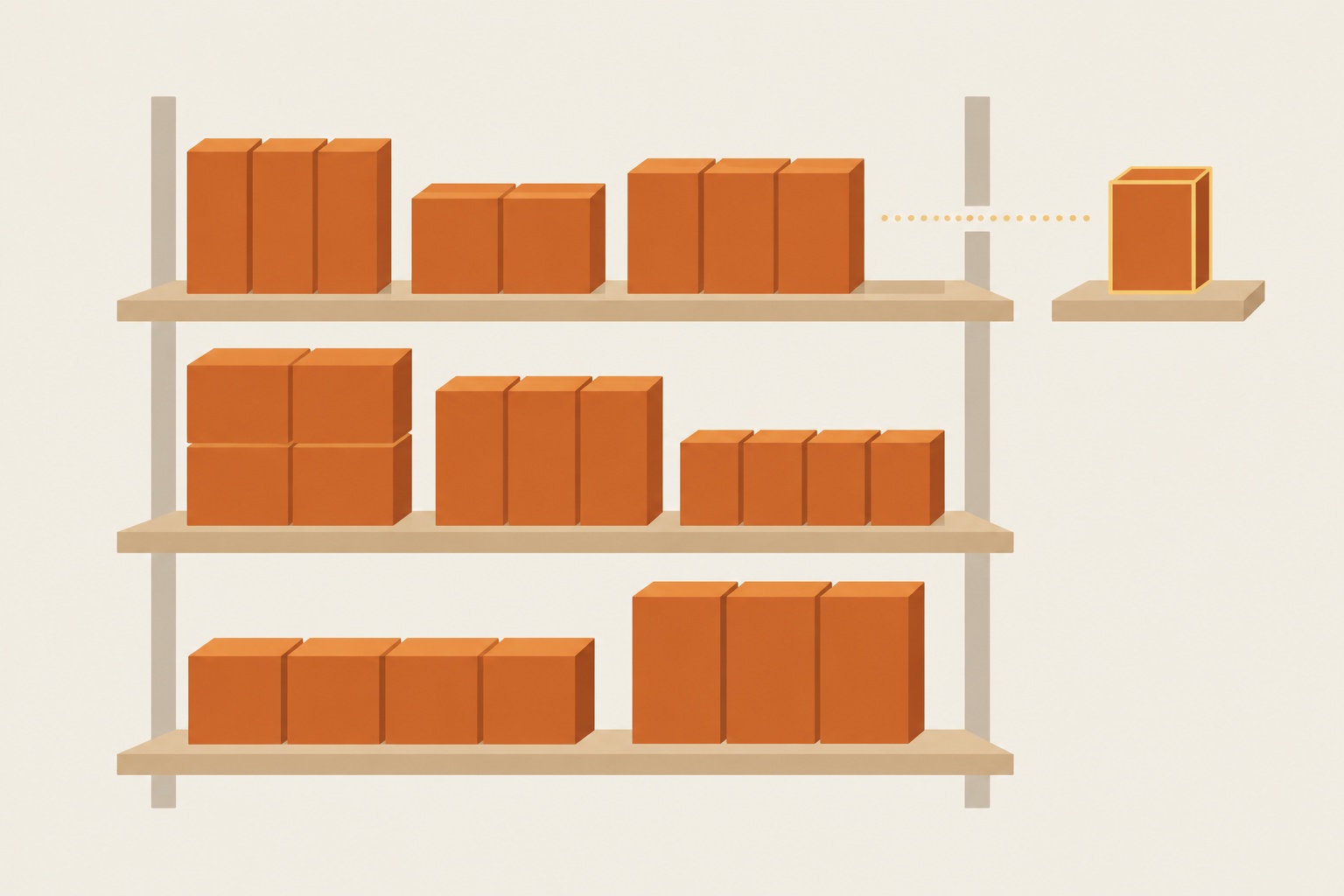
When ChatGPT knows your store by name but recommends rivals, the cause usually sits below the brand: your product sits in a different category, your page does not answer the buyer’s question, your description is vague, or the sources ChatGPT trusts name competitors. Metrisque has a stored case of exactly this: a store recalled by name with no first-place mentions in 11 reads.
A recognized store passed over in 11 reads
Metrisque stores measurements for comparison. The models recognized this store when asked about it directly. Its Brand Recall verdict, scoped to the exact name asked, was positive. On the buying questions its customers would ask, though, it never came first. In 11 saved Question Finder reads on model memory and web search, it received no first-place mentions. Rivals took the top spot on every one of those reads, in both modes.
We call this the second-choice pattern: a brand the model knows well enough to describe, and does not pick when a shopper names a need. It frustrates store owners more than plain invisibility, because the usual remedy for invisibility (getting the brand talked about) has already worked, and since the model has heard of you, the remaining causes are about your products and the evidence around them.
Positive recall narrows the next questions
Positive recall shows that the model recognized the exact brand name in the recorded check, not that every product was understood. It does not establish how the model would respond to another spelling, a different question or a later model version. That distinction matters when a store treats recognition as proof that its product pages need no further work.
The 11 saved reads also have limits: they describe one store and its recorded questions, rather than a general recommendation rate. Repeated absence from first place warrants investigation, but it does not rule out sampling variation or identify a cause. Comparing memory and web search can help organize that investigation without treating the two modes as identical systems.
Familiar brands can still leave product questions unanswered
An established store may have extensive company coverage while its product pages leave practical buying questions unanswered. That is a plausible explanation to test, not a measured pattern across the stores in this case. Read the pages as an unfamiliar buyer would, noting where understanding depends on prior knowledge of the brand or range.
A rival page may make the product type and intended use easier to find, even when its brand is less familiar. Compare the evidence available for the specific buying question rather than assuming age, reputation or page length explains the answer. The checks below separate category problems from missing product information and gaps in third-party coverage.
Category filing comes first
Check filing. A mismatch suggests that the model may misunderstand the product, although a category check alone cannot establish why a rival appeared first on a particular buying question or guarantee that correcting the page will change the next answer. Metrisque’s Category Fit compares each product with its expected category and marks it Outside when Gemini similarity falls under 0.40. In the latest read for 53 stores, 13 of 923 products were Outside.
If the store’s main products are Outside, that alone could explain the pattern: the model knows the brand and files its products under a neighboring category, so a rival filed squarely in the asked-about category wins. The fix is on the product page (category noun in the title, a first sentence that names the type, a matching breadcrumb). If the products are inside, move on. Keep in mind that similarity scores did not predict recommendations in Metrisque’s synthetic tests, so a pass here removes one cause without proving the others absent.
Buyer questions decide close calls
Buyers are specific. Shoppers ask assistants practical questions, and the rival that answers them plainly has an advantage. “Is it third-party tested?” “Does it fit a 5 by 6 foot room?” “What does it cost to run?” Metrisque’s Buyer Match checks whether product pages answer what a buyer in the category needs to know.
A store in the second-choice pattern often finds its pages answer brand questions well (who we are, why we started) and buyer questions poorly. When an assistant reads the page through web search, it finds plenty about the company and little that settles the shopper’s question, then turns to a rival’s page that does. The fix is a short section in plain text answering the category’s common questions, with numbers.
Vague descriptions cost known brands
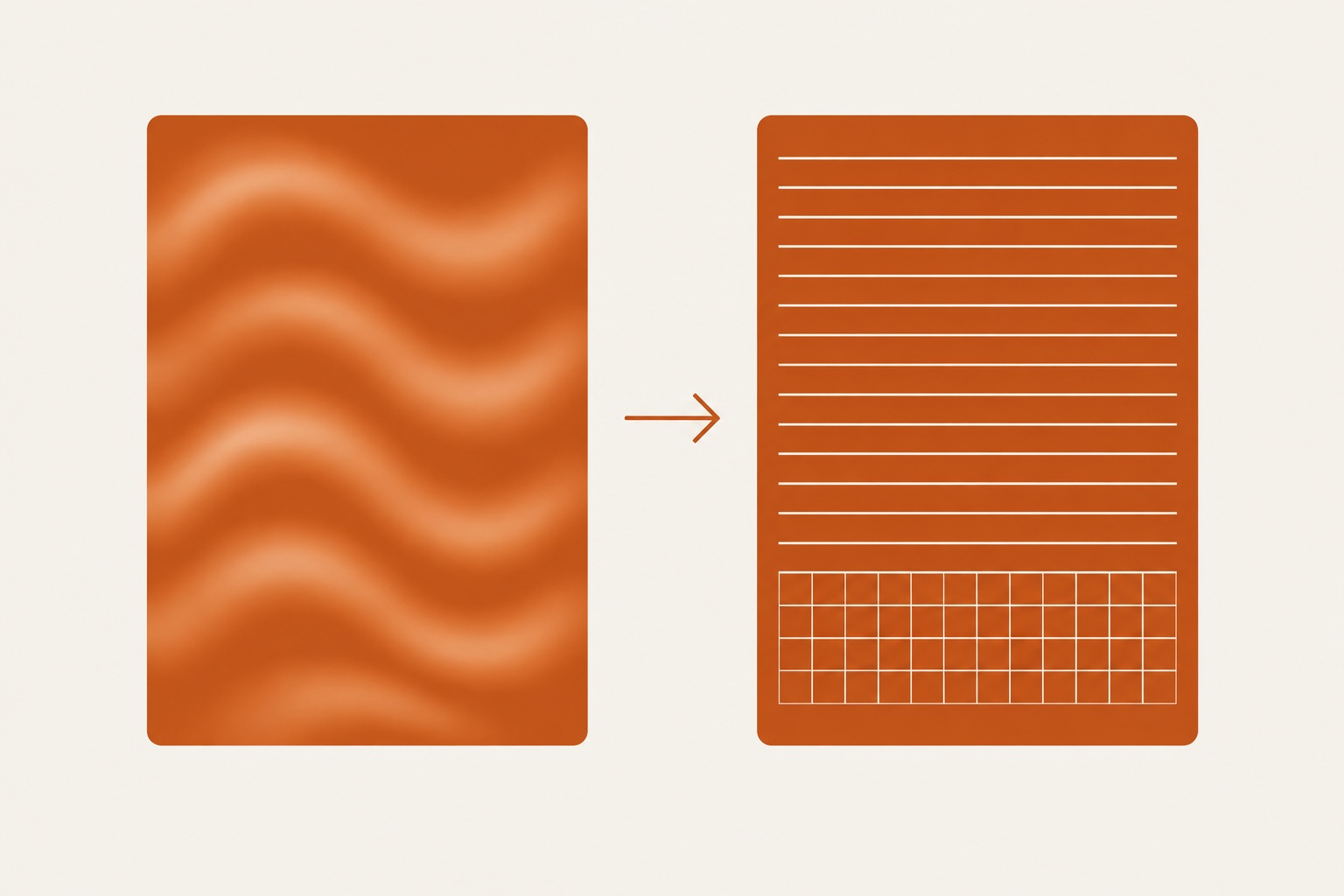
Description clarity is the check with the strongest evidence behind it. In a synthetic test on stored products, models classified products correctly from clear descriptions 150 of 150 times and from vague ones 116 of 150 times. These 300 classifications measured category assignment, not recommendations. Clear descriptions named the product type, purpose and key specifications early, while vague descriptions led with mood or brand story. Metrisque has not published a more detailed definition or a catalogue of the individual misreads. A known brand with vague product copy is a common combination, because established stores often write descriptions for loyal customers who already know what they are buying.
Read the first 100 words of each main product’s description. If they lead with mood or brand voice and leave the product type, buyer and key specifications for later, rewrite them so those come first. Vague versus clear product descriptions has worked examples for a supplement and a sauna.
Cited sources carry the model’s preference
Inspect sources. When checking citations, distinguish a page that actually supports the recommendation from a page that merely mentions the brand, because an appearance in the source list does not by itself explain why the assistant selected one product over another, whether it read the relevant passage or whether a later run would cite the same evidence. With web search on, assistants lean on review sites, marketplaces, comparison articles and forums for buying questions. Metrisque’s Competitors and Citations view shows which rivals and which sources the assistants rely on for each question.
If the cited sources all name your rivals, the model’s preference has a visible cause: it is repeating what trusted pages say. The fix is to get your products reviewed and listed accurately on those specific sources. For a brand already known to the model, this step can shift results once the earlier checks pass, because the model already has a picture of the brand and needs evidence that its products fit the question.
| Symptom | Likely cause | Check | Fix |
|---|---|---|---|
| Model describes your brand but files the product as another type | Category drift on the product page | Category Fit, ask the model what the product is | Category noun in title, plain first sentence, breadcrumb and structured data that match |
| Rivals win questions about specifications or fit | Page does not answer buyer questions | Buyer Match against the category’s common questions | Short plain-text answer section with numbers |
| Model gives a generic or wrong summary of the product | Vague description | Read the first 100 words for type, buyer and specifications | Rewrite leading with type, buyer and specifications |
| Cited sources name rivals only | Third-party coverage favors rivals | Competitors and Citations for each buying question | Earn accurate reviews and listings on the cited sources |
| You appear only when asked by name | Recall without recommendation (the second-choice pattern) | Compare branded and unbranded question results | Work through the checks above in order |
Table 1. The last row is the overall symptom and the four rows above it are its possible causes, so a store showing it should run the first four checks in the order listed.
The case on the recall and recommendation chart
Crossing recall with recommendation gives a qualitative framework for separating recognition from selection, rather than a measured ranking of interventions. The recorded store had positive recall and no first-place mentions in 11 saved reads, which suggests checking product evidence before assuming more awareness work is necessary.
Proof that a fix worked
Each fix needs a before and after under the same conditions: the same buying questions, asked on memory and web search, repeated enough times to see the normal spread of positions. Metrisque’s Action Plan re-measures after each fix and stores both reads. Metrisque has not published whether the case store changed its pages or what a subsequent measurement showed, so this case demonstrates the gap between recall and recommendation, not a successful fix.
Go one check at a time. Work through them in order where possible. Changing category filing, page answers, descriptions and sources all at once may lift a product, and will leave you unsure which change did it. Our guide on why ChatGPT is not recommending your product sets out the full order of checks, including recall, for stores the model does not yet know.
Why does ChatGPT recommend competitors instead?
Why does ChatGPT recommend my competitors instead of me? If ChatGPT knows your brand, the usual causes are a product filed in another category, a page that misses the buyer’s question, a vague description or cited sources that favor rivals. Check category filing, buyer answers, description clarity and cited sources in that order, then repeat the original buying questions.
ChatGPT mentions my brand, so why doesn’t it recommend me? A mention, especially in reply to a question naming you, shows recall. A recommendation requires the model to judge your product the best fit for an unbranded need, which depends on filing, page content and third-party sources.
How do brand mentions in AI differ from recommendations? A brand mention is any appearance of your name in an answer. A recommendation means the model suggests you as the answer to a buying question, usually first and with a reason.
Can I make ChatGPT recommend my product? No one controls what a model says. You can remove the causes that work against you, then measure your position before and after each change to see whether it moved.
Sources
- Metrisque stored runs: Brand Recall and Question Finder case (one unnamed store, 11 reads, memory and web search). Category Fit latest read (13 of 923 Outside, 53 stores). description clarity study (300 classifications).