ChatGPT usually skips a product for one of five reasons: it does not know the brand name, it files the product in a different category, the product page does not answer the buyer’s question, the description is too vague to classify, or the sources it trusts name rivals instead. Check them in that order, fix the first one that fails, then measure again.
Start with the order of checks
An owner who asks ChatGPT for the best product in their category and hears three rivals tends to reach for the most visible fix: more content, more backlinks, a new tracker. Those moves are often wrong as a first step, because the causes stack. A product the model has filed under the wrong category will miss its real category’s recommendations, however good its reviews are, and a brand the model has never heard of is absent from model memory entirely.
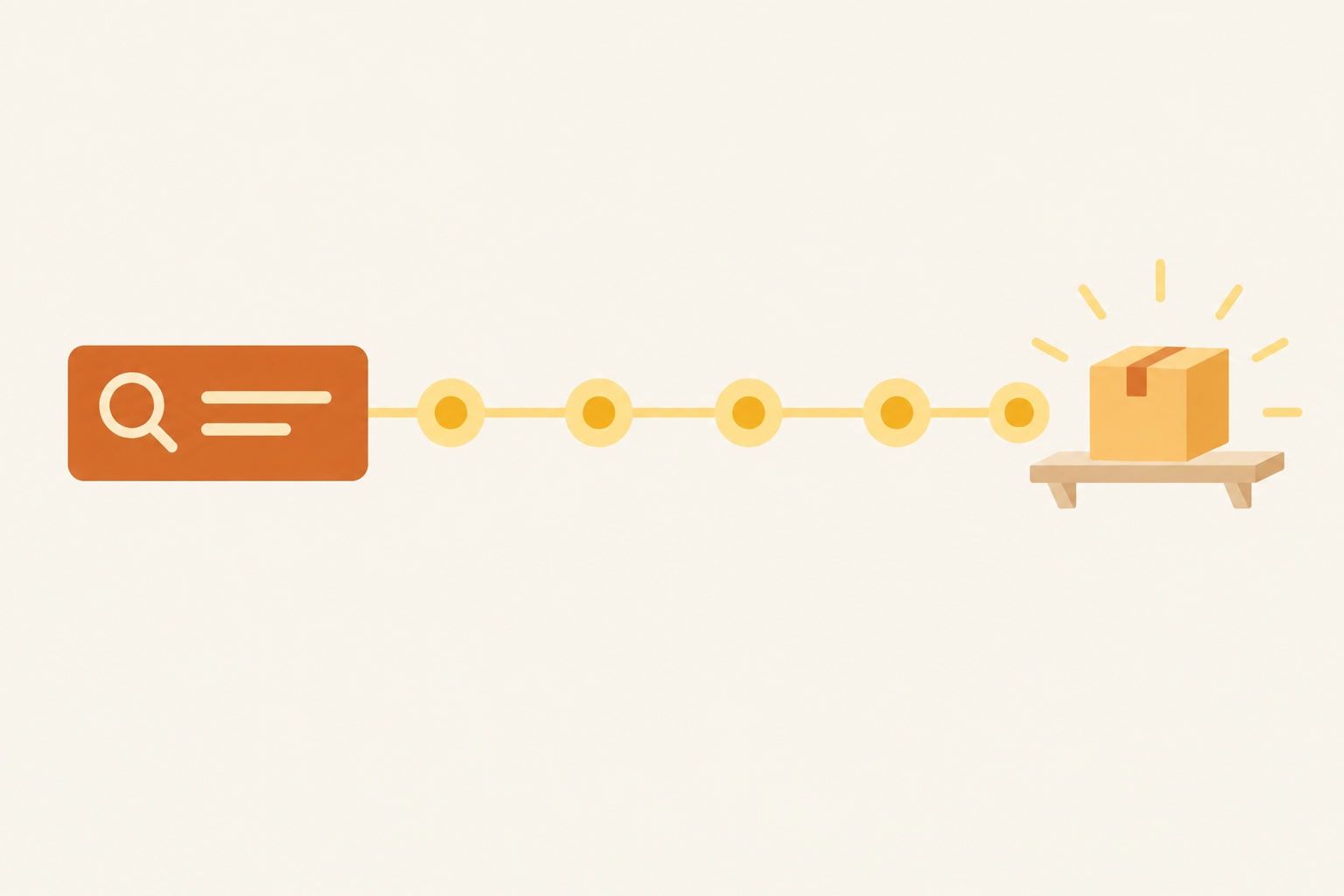
We call the fixed order of checks the cause sequence. Each step rules out one cause before you spend effort on the next, and each step has a check you can repeat after a fix. The order runs from causes that block everything downstream (the model does not know you, or files you elsewhere) to causes that only lower your position (vague copy, rival sources). The sequence turns a vague concern into a specific edit.
The model does not know the name
Recall takes minutes to check. Ask the model directly about your store or brand, by its exact name, and see whether it describes what you sell. Metrisque’s Brand Recall measure does this for each model and scopes the verdict to the exact string asked, because a model may recognize a full brand name but confuse its shortened form with another company.
A failing result looks like a refusal (“I don’t have information about that brand”), a wrong description or a confusion with another company. The fix is slow: consistent descriptions of your brand on your own site, on marketplaces and in third-party coverage, so the next model update has something to learn from. Web search answers can still recommend you while memory catches up, which is why the next checks matter even for brands with weak recall.
The product sits in the wrong category
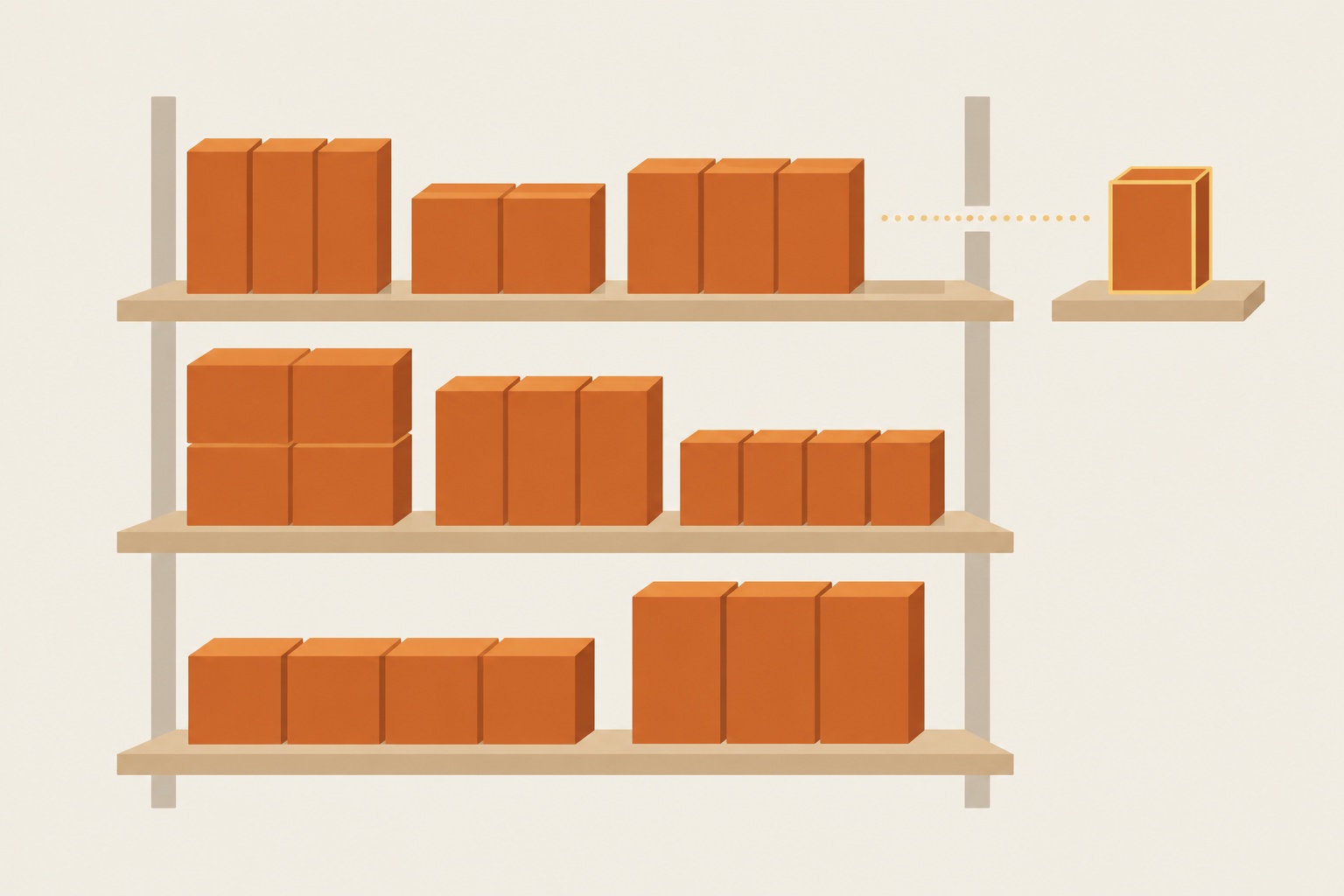
Placement comes next, and misfiling is common enough to matter. A model that thinks your infrared sauna blanket is a heated throw will offer it for the wrong questions. Metrisque’s Category Fit compares each product with its expected category and marks it Outside when Gemini similarity falls under 0.40. In the latest read for each of 53 stores, 13 of 923 products were Outside.
A failing result is a product marked Outside, or a model answer that describes the product as something else. The fix sits on the product page: put the category noun in the title, say what the product is in the first sentence of the description and make the breadcrumbs and structured data name that category. Keep the cosine caution in mind here. In Metrisque’s synthetic tests, similarity scores did not predict recommendations, so a passing Category Fit check rules out one cause and proves nothing about the others. Our post on product category filing covers the data in depth.
The page does not answer the buyer’s question
Buyer match is the third check. Shoppers ask assistants practical questions: “Does it fit a 5 by 6 foot room?”, “Is it third-party tested?”, “What voltage does it need?” When the product page does not answer the question a buyer in that category asks, a model reading the page through web search has less reason to name it, and a rival whose page answers it plainly has more.
Metrisque’s Buyer Match checks whether product pages answer what a buyer in the category needs to know. A failing result is a list of category questions with no answer on the page, or an answer buried in an image or a PDF the model may not read. The fix is a short, plain section on each page that answers those questions in text, with numbers where the category has them.
The description is vague
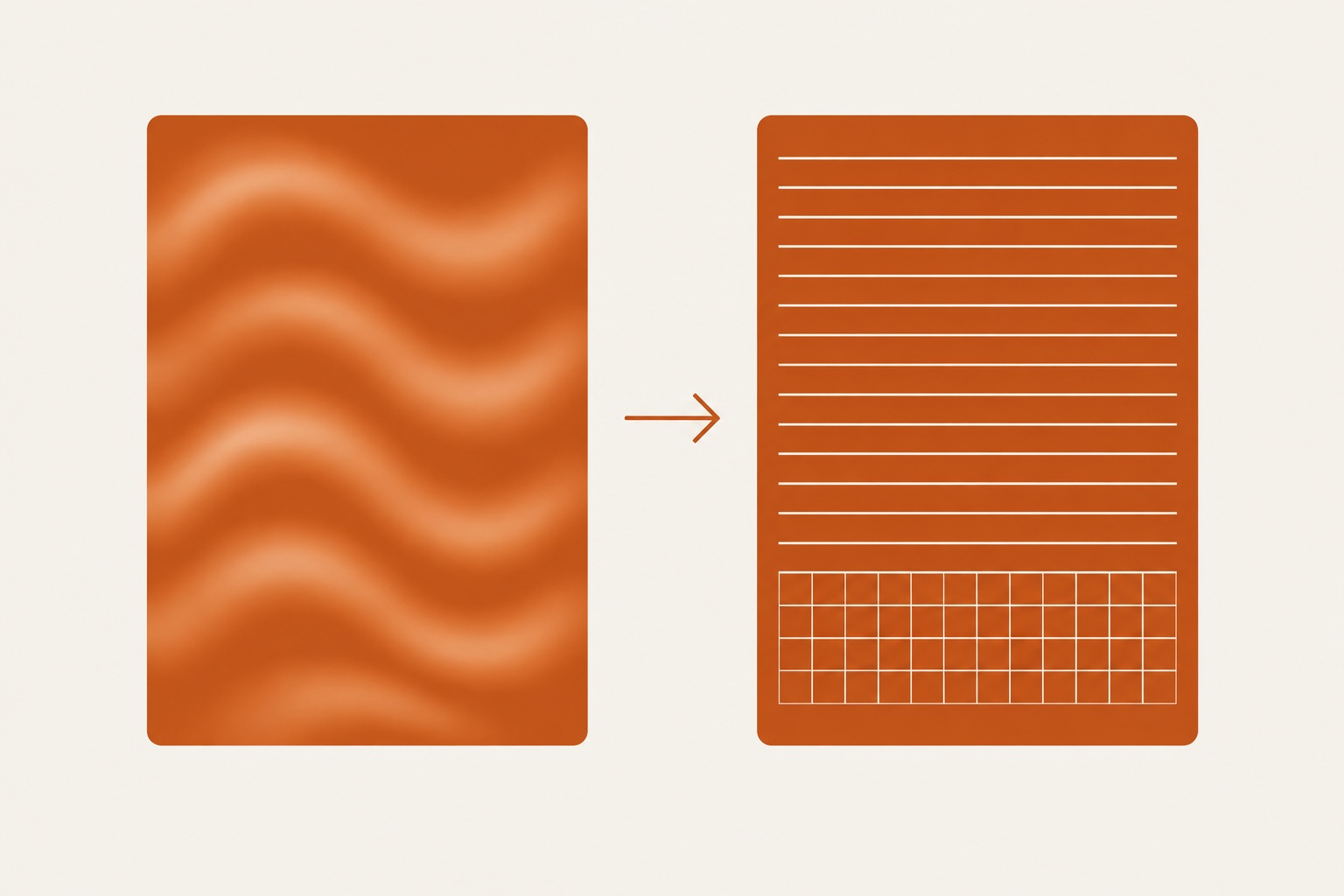
Description clarity has the strongest evidence in the sequence. In a synthetic test on stored products, models classified products correctly from clear descriptions 150 of 150 times and from vague ones 116 of 150 times. This was a synthetic test of 300 classifications, not a recommendation experiment. Clear descriptions named the product type, purpose and key specifications early, while vague descriptions led with mood or brand story. No published catalogue describes the individual misreads, so the results cannot identify which wording caused each error.
A failing result is a description whose first 100 words do not name the product type or the buyer it suits. The fix is a rewrite that leads with what the product is, who it is for and the two or three specifications that separate it from neighboring products. Vague versus clear product descriptions has worked rewrites in two categories.
Other sources name your rivals
Sources close the sequence. Even with a clear page, a model answering with web search leans on what it finds elsewhere: review sites, marketplaces, comparison articles, forums. Metrisque’s Competitors and Citations view shows which rivals and which sources the assistants lean on for each question.
A failing result is a set of cited sources that all name rivals and none name you. The fix is the slowest in the sequence: get your product onto the sources the model already cites for that question, through reviews, listings and accurate coverage. This step pays back best once the earlier checks pass, because a cited source sends the model to a page that now reads plainly.
| Cause | How to check it | What failure looks like | Fix | How to confirm after the fix |
|---|---|---|---|---|
| Model does not know the name | Brand Recall on the exact name | No answer, wrong answer, or confusion with another company | Consistent brand descriptions on site, marketplaces and coverage | Brand Recall again after a model update, web search reads in the meantime |
| Wrong category | Category Fit on each product | Product marked Outside, or described as another product type | Category noun in title, plain first sentence, breadcrumbs and structured data that match | Category Fit and a recommendation read on that category’s questions |
| Page misses the buyer’s question | Buyer Match against category questions | Common questions unanswered in page text | Short answer section in plain text with numbers | Buyer Match, then Question Finder on web search |
| Vague description | Read the first 100 words | No product type or buyer named early | Rewrite leading with type, buyer and key specifications | Classification check and Question Finder |
| Rival sources | Competitors and Citations | Cited sources name rivals only | Earn listings and reviews on the cited sources | Citations view and recommendation position over the following weeks |
Table 1. A qualitative diagnostic sequence, not measured effects or a guarantee that any individual cause prevents recommendations.
The diagnose, fix and re-measure loop
A diagnosis is only useful if you can tell whether the fix worked. Metrisque’s Action Plan lists fixes in order, then re-measures after each one, so the before and after sit side by side in stored runs under the same questions and conditions. That pairing matters because AI answers vary between runs. A single good answer after a fix proves little. A shift in position over repeated reads, compared against a stored baseline, is evidence.
Consider an illustrative workflow rather than a measured success story: a store finds a category mismatch and a description that leads with brand story. It rewrites the title and opening paragraph, waits for the page to be recrawled, then repeats Category Fit and its original buying questions. Metrisque has not published an aggregate recommendation improvement rate after these fixes, so this workflow makes no promise about the outcome.
A tracker alone leaves the cause open
AI visibility trackers report how often your brand appears over a prompt set and engines, and how that share changes. A share report is useful for knowing that something is wrong, and a store reading a falling share line still has to guess which of the five causes is responsible. One store in Metrisque’s data passed Brand Recall and still got no first-place mentions in 11 saved reads on memory and web search. A mention count would have rated it visible. That combination makes product pages and cited sources sensible next checks, but does not establish which caused the result.
Two posts in this cluster pick up from there. When AI knows your name but recommends a rival follows that store’s case through each check. Breadcrumbs and AI shopping answers covers a fix whose effect varied in testing, and how to test it on your own catalog.
Why does ChatGPT recommend competitors instead?
Why does ChatGPT recommend my competitors instead of me? The usual causes are that the model files your product in another category, your page does not answer the buyer’s question, your description is vague, or the sources it cites name rivals. Check them in order, fix the first failure and repeat the original buying questions before drawing conclusions.
How does ChatGPT choose product recommendations? It draws on what it learned in training and, with web search on, on pages it reads at the time of the question. Products with a correct category, a plain description and mentions on trusted sources are more likely to win a suggestion.
Does product feed optimization help with AI recommendations? A clean feed helps when an assistant reads shopping data, because it states the product type and category plainly. The same clarity matters on the product page itself, since web search answers read visible text.
What is product categorization for AI? It is how a model decides which category a product belongs to. In Metrisque’s latest read for 53 stores, Category Fit marked 13 of 923 products Outside their expected category.
Sources
- Metrisque stored runs: Category Fit latest read (13 of 923 Outside, 53 stores). description clarity study (300 classifications). Question Finder case (one unnamed store, 11 reads).