Generative engine optimization (GEO) for online stores means making products easier for AI assistants to understand and consider in buying answers. It covers product descriptions, category labels, titles, breadcrumbs and structured data, alongside checking whether assistants actually recommend your products. Start with clear product information, then test recommendations on relevant shopper questions.
Blog-focused GEO guides skip the catalog
Most GEO guides address publishers and software companies. They advise a store to answer questions in the first paragraph, add statistics, quote experts and earn citations from authoritative sites. That advice suits an article competing for quotes. A store faces a different task, because an assistant answering “which sauna fits a small apartment” is choosing between products, and the assistant judges a product on what it is, what category it belongs to and whether its page answers the buyer’s practical questions.
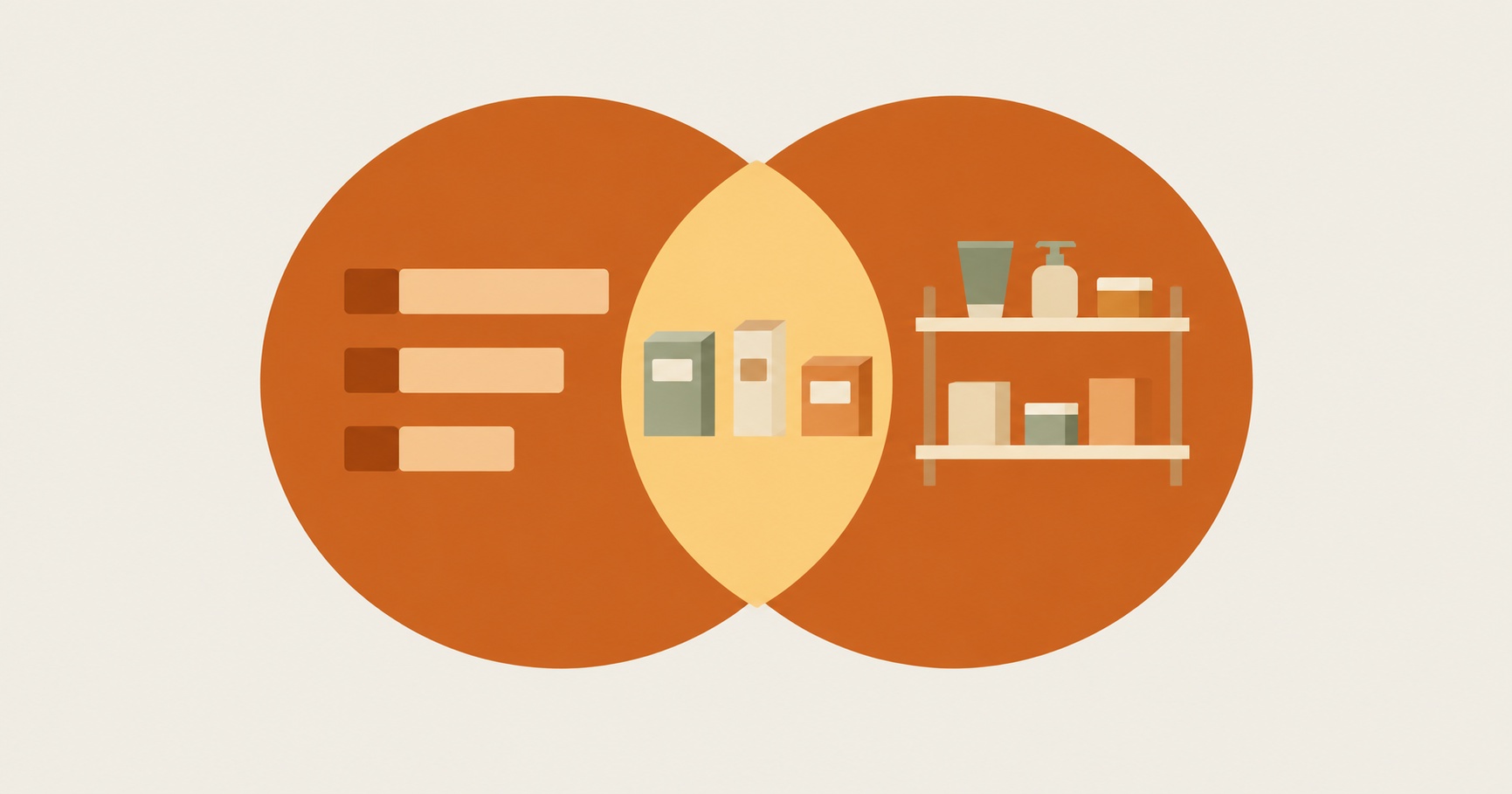
Category checks can help identify unclear product information. In the latest Category Fit read for 53 stores, the check marked 13 of 923 products Outside their expected category, meaning the Gemini similarity score between the product and its category fell under 0.40, about 1.4 percent of products. This flags a possible mismatch for review, without establishing whether an assistant would recommend those products. A blog article cannot clarify a product page that leaves its category uncertain.
We call the quality that GEO for a store improves catalog legibility: how easily a model can tell, from your own pages, what each product is, which category it belongs to and which buyer it suits. Titles, descriptions, breadcrumbs, structured data and third-party coverage each raise or lower it.
Generative engine optimization compared with SEO
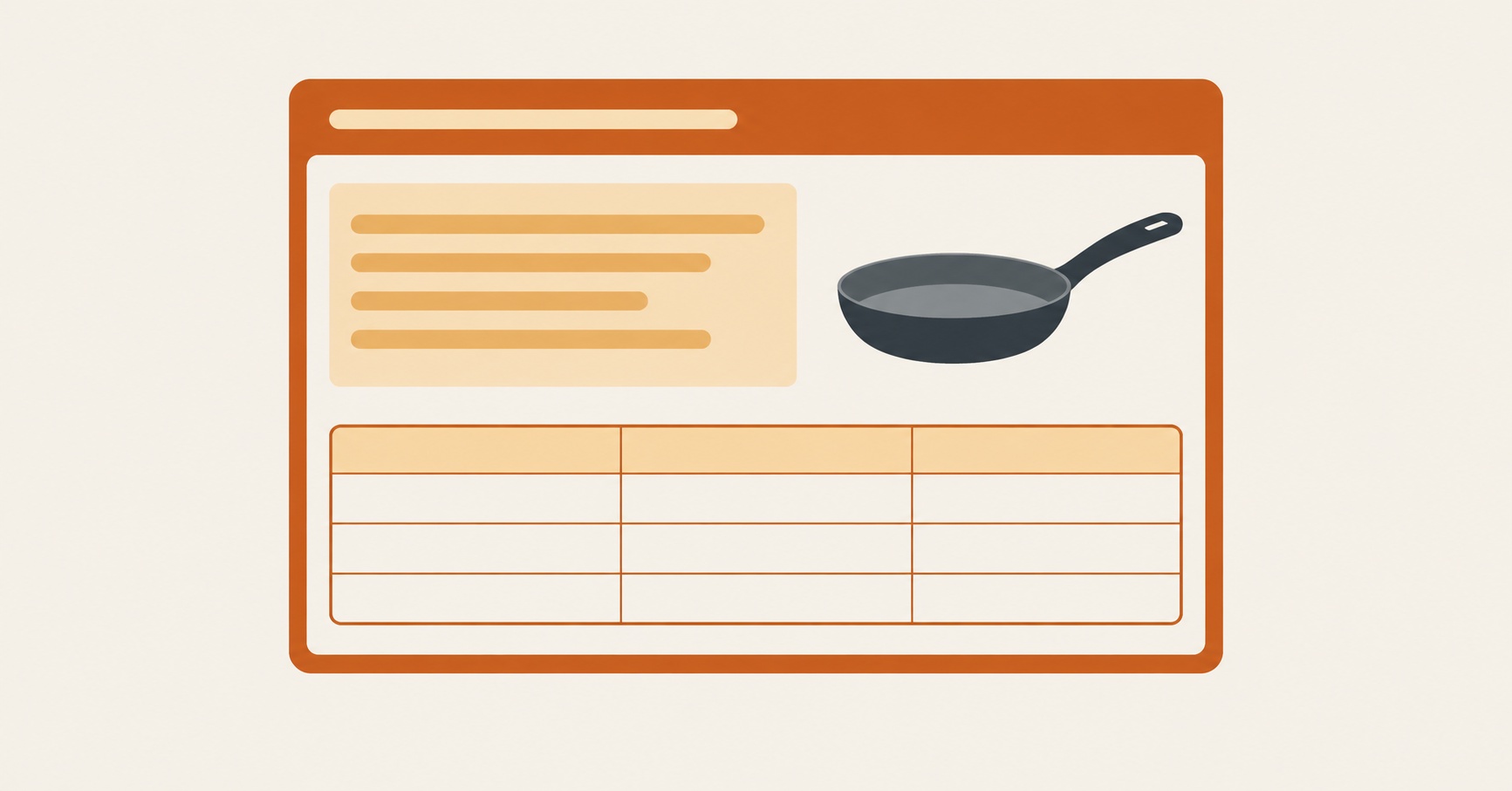
Store owners who know SEO already do much of the groundwork, since clean titles, crawlable pages and structured data help both search engines and assistants. The emphasis shifts, though, because an assistant reads a page to answer a question in sentences, while a search engine ranks a page against a query. Table 1 sets out the shift row by row.
| SEO practice | What GEO for a catalog asks instead | Why |
|---|---|---|
| Put the keyword in the title | Put the product type and the category noun in the title | Assistants file products by what they are, a clever brand-led title can leave the type unclear |
| Write long, keyword-rich category copy | Write a plain first 100 words on each product page saying what it is and who it is for | In the reported synthetic test, clear descriptions produced more correct classifications than vague descriptions |
| Build breadcrumbs for navigation | Make breadcrumbs match the category a shopper would name | A breadcrumb is one more statement of where the product sits, effects in testing varied |
| Add Product schema for rich results | Keep structured data consistent with the visible page | Conflicting information can leave an assistant with inconsistent product details |
| Earn backlinks | Earn mentions on the review and marketplace sources assistants cite | Review cited sources to see which outside pages support a buying answer |
| Track rank for each keyword | Track recommendation position for each buying question, on memory and web search | The same question can return different products from memory and from live search |
Table 1. Only the description row has a clean measured result behind it in Metrisque data. The title and breadcrumb rows rest on synthetic runs where effects varied by model and product.
Descriptions carry the strongest evidence
The best evidence we have concerns product descriptions. In a synthetic test on stored products, Metrisque asked models to classify products from their descriptions 300 times. Models classified clear descriptions correctly 150 of 150 times and vague descriptions correctly 116 of 150 times, so 34 classifications went wrong.
A clear description names the product type early, states the category in words a shopper would use and gives the specifications that separate it from neighboring categories. A vague one leans on mood (“make every evening special”), brand story or adjectives that fit a dozen product types. The reported 23 percent miss rate for vague copy describes this test, rather than a forecast for another catalog. Our post on LLM SEO for product pages walks through the first 100 words in detail.
Titles and breadcrumbs have thin evidence
Titles and breadcrumbs matter in theory, and we test them. In Metrisque’s synthetic runs, a changed product title or breadcrumb trail moved classification for some models and some products, and did little for others. The honest summary is that effects varied, and we do not quote a single effect size for either.
One possible explanation concerns the amount of information available: a title or breadcrumb is a short string, while a description gives the model a paragraph to reason from, meaning that when the description is already clear, a title may add little, while a vague description can leave the title as the strongest clue. A store should therefore fix descriptions first, then test title and breadcrumb changes on its own catalog with a before and after read, instead of copying a rule from someone else’s results.
Similarity scores need the same caution. Category Fit uses similarity to flag products that look misfiled, and that flag is a useful check. In Metrisque’s synthetic tests, though, similarity scores did not predict what a model recommends. A product can score well without receiving a recommendation, so classification and recommendation need separate checks. We use the score to decide where to look first, and we use a recommendation read on the same questions, before and after a change, to decide whether the change worked.
Thin evidence is a reason to test on your own products, and the test does not need to be large: pick ten products where the title or breadcrumb looks weakest, record their recommendation position on memory and on web search over repeated runs, change only that one element, and read again after the pages have been recrawled. If positions move beyond the normal spread between runs for most of the ten, consider a broader test before rollout. If they do not, put the effort into descriptions and third-party coverage instead.
Memory and web search answer differently
An assistant answers from two places. Its memory holds what it learned in training, which may be months old and favors brands written about widely. Its web search pulls live pages, retailer listings and reviews when the shopper asks. Metrisque’s Question Finder runs each shopper question both ways, because the two often name different products in different positions.
For a store, the split decides which fixes pay back quickly. Page edits may become available to web search after recrawling, without guaranteeing a change in the assistant’s answer. Memory changes slowly, through the wider web describing you consistently over time, and through model updates you do not control. If you appear only with web search enabled, investigate wider coverage as well as your pages, while treating the reverse pattern as a reason to inspect retrieval and page access. What assistants read on a product page covers this split in more depth.
Related guides for store teams
The store version of each question has its own post in this cluster. GEO vs SEO for a product catalog goes signal by signal. How to rank in ChatGPT as an online store gives ordered steps with a check for each. Nobody controls what a model says, so each step there aims at raising the odds of a recommendation and confirming the change with a re-measure.
A working order for a store
If you are starting from nothing, work in the order the evidence supports. Check category filing first, since an unclear category gives you a specific product information problem to investigate. Rewrite vague descriptions next, because that is where the measured effect is clearest. Then match breadcrumbs and structured data to the visible page, and test titles on a handful of products before changing the catalog. Throughout, keep a baseline read on stored runs so that every change has a before and an after.
Start with a scope your team can review carefully, recording the original copy and the date of each change so that a later recommendation check can show whether answers changed, although it cannot isolate your edit from every other influence. Coverage on relevant review sites may also deserve attention when those sources appear repeatedly in the answers you inspect.
How do I start GEO for my online store?
Start by checking how assistants describe and recommend your products, then correct unclear product information and repeat the same questions. Keep the questions stable so that a change in wording does not become another explanation for a different answer. Save the answers as well as the product names, because the reasons an assistant gives can reveal an unsuitable recommendation.
Choose questions that reflect a real purchase decision, including the constraints your products can genuinely meet, rather than prompts written to force your brand into an answer. A product that appears for an irrelevant question has not necessarily gained useful visibility. Review whether the assistant describes its purpose accurately and whether any stated specifications match the page a shopper would reach.
A clean description is a sensible place to begin, given the classification results reported here, but it remains a hypothesis about recommendations. Keep category checks separate from recommendation checks, and avoid treating a better similarity score as evidence of additional sales. The practical goal is accurate product representation on relevant questions, with enough saved evidence to decide what to test next.
Sources and limits
Metrisque stored runs, read on 16 November 2026: Category Fit covered 53 stores and flagged 13 of 923 products. The description clarity study reported 300 synthetic classifications, while separate title, breadcrumb and similarity tests informed the cautions above. These are draft-reported internal results without linked underlying records, and the classification study does not measure purchases or recommendation gains.
Use a free Metrisque check to see how AI assistants represent your store before deciding which product pages to change.